AI can propose; people decide
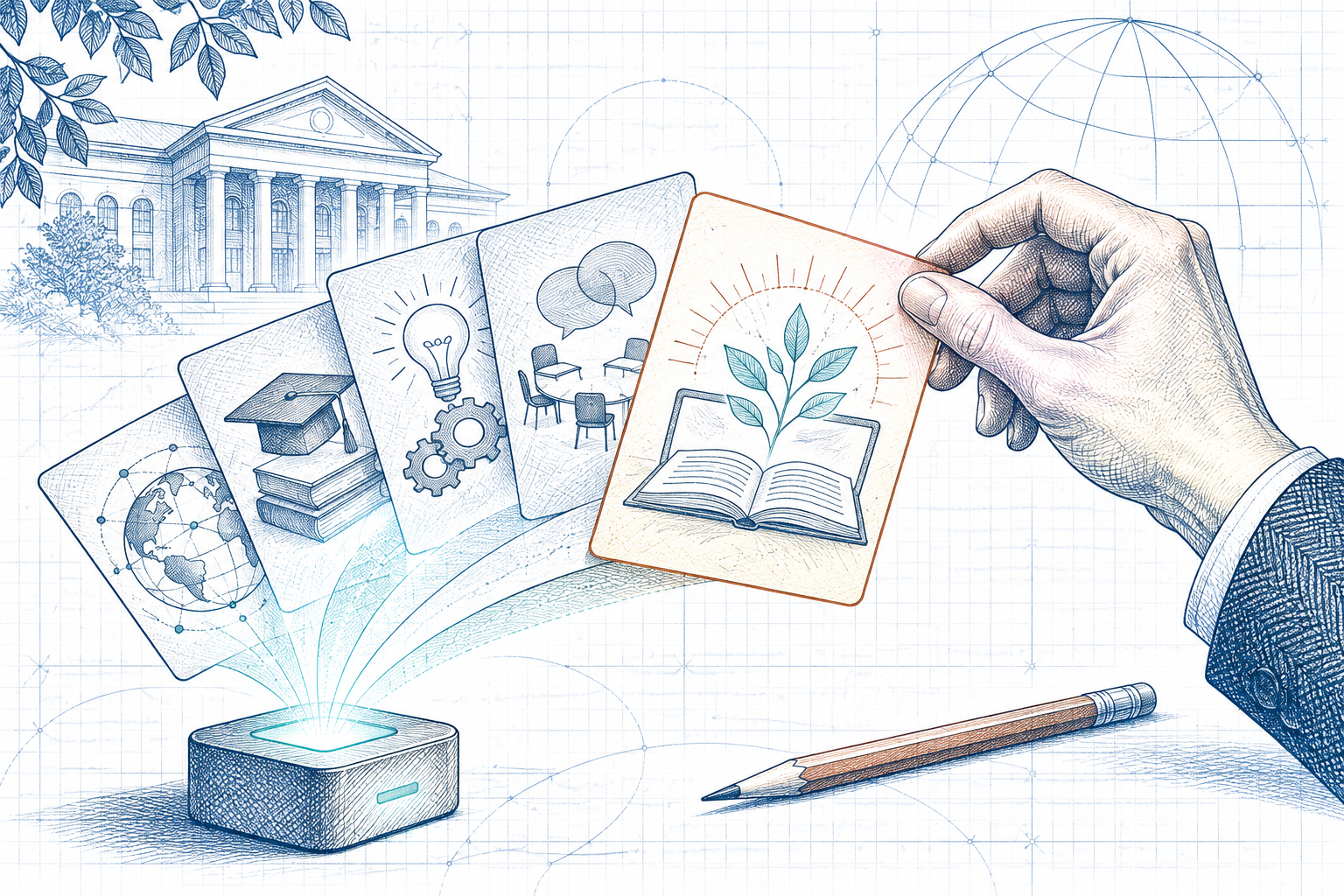
AI can offer alternative explanations, structures or images quickly. That speed does not establish that an explanation is accurate, appropriate for a learner, or suitable to publish. In my learning-design work, I use AI-assisted drafts as material to compare and revise, with human decisions and source checking at the center.
Start by writing the learning goal and what the audience already knows. Ask for a small number of alternatives, then check each claim against reliable sources. Remove invented examples, clarify confusing language, and review whether an image communicates the intended idea. Keep track of important human choices and AI assistance so the work can be explained later.
Do not put private learner or client information into a tool without an agreed basis. UNESCO’s guidance discusses human agency and privacy in educational use.